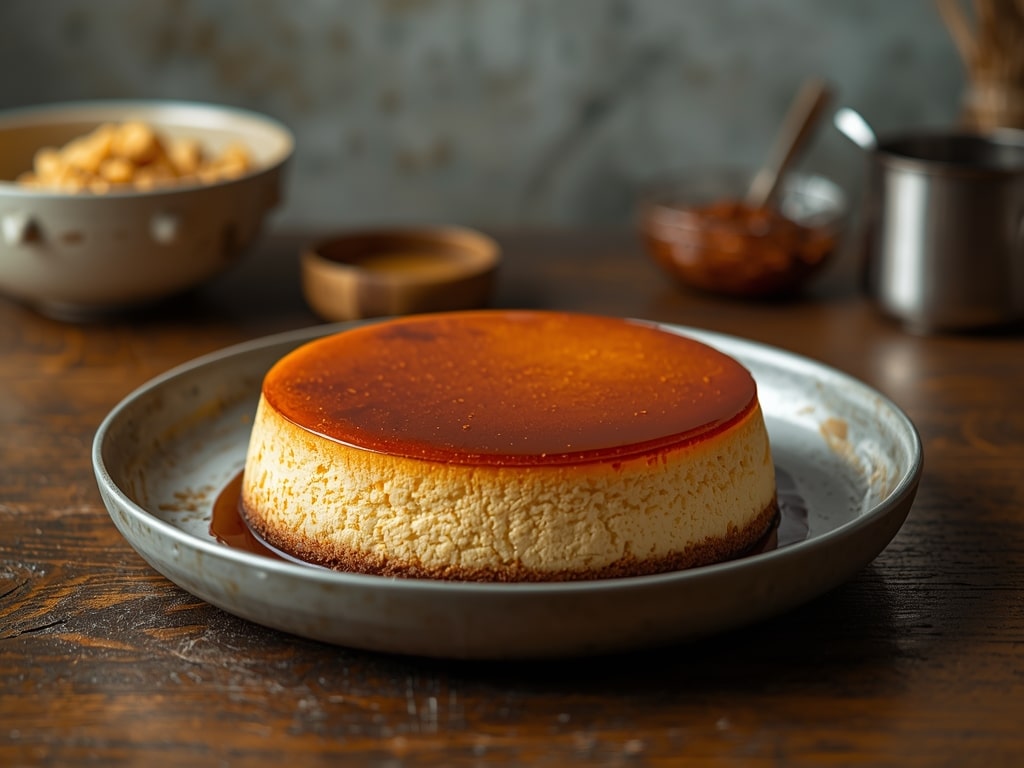
Japanese cheesecake, a cloudlike confection, is a delightful departure from its richer, denser cousins. Lighter than air and boasting a subtle sweetness, this bouncy beauty is as fun to make as it is to eat, and it’s soon to become a family favorite. If you’re looking for a dessert that is both impressive and surprisingly easy, then this unbelievably delicious Japanese cheesecake is without a doubt the perfect recipe. Let’s get started and create this wonderful japanese cheesecake!
Table of Contents
Why You Will Love This japanese cheesecake Recipe
This recipe is special for so many reasons! Firstly, it’s incredibly comforting. The light, airy texture and delicate flavor are just perfect for a cozy night in. Secondly, it’s surprisingly simple. Don’t let the elegant appearance fool you; this recipe is very approachable and beginner-friendly. As someone who enjoys recipes that don’t require too much technical cooking knowledge, this recipe has become a family treat. It’s a guaranteed crowd pleaser.
Imagine this amazing Japanese cheesecake warm from the oven, slightly jiggly, ready to be paired with your favorite cup of tea or coffee. That is the magic of this dessert.
Follow us on Pinterest for more delicious dessert recipes and baking inspiration!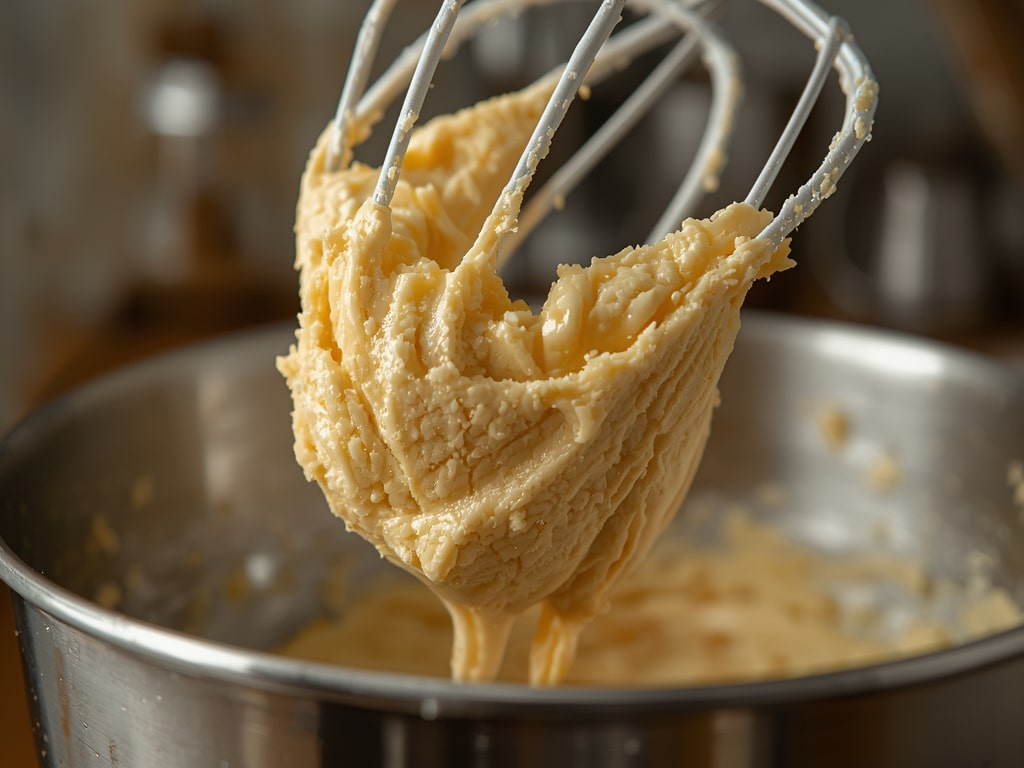
Ingredients Needed for This japanese cheesecake Recipe
- Cream Cheese: 8 ounces, softened (full fat recommended for best results)
- Eggs: 3 large, separated ( yolks and whites will be used differently)
- Granulated Sugar: 1/2 cup, divided
- Unsalted Butter: 2 tablespoons, melted
- Milk: 1/4 cup, whole milk recommended
- All Purpose Flour: 2 tablespoons, sifted plus more for dusting
- Cornstarch: 1 tablespoon, sifted
- Lemon juice: 1 teaspoon
- Vanilla Extract: 1/2 teaspoon
- Powdered Sugar: For dusting (optional)
How to Make This japanese cheesecake Recipe
- 1. Prepare the Oven and Pan: Preheat your oven to 325°F (160°C). Grease a 6-inch round cake pan with butter, line the bottom with parchment paper, and dust the sides with flour. This is important for easy release after baking.
- 2. Separate the Eggs: Carefully separate the egg yolks and whites into two different bowls. Make sure there are no traces of yolk in the whites!
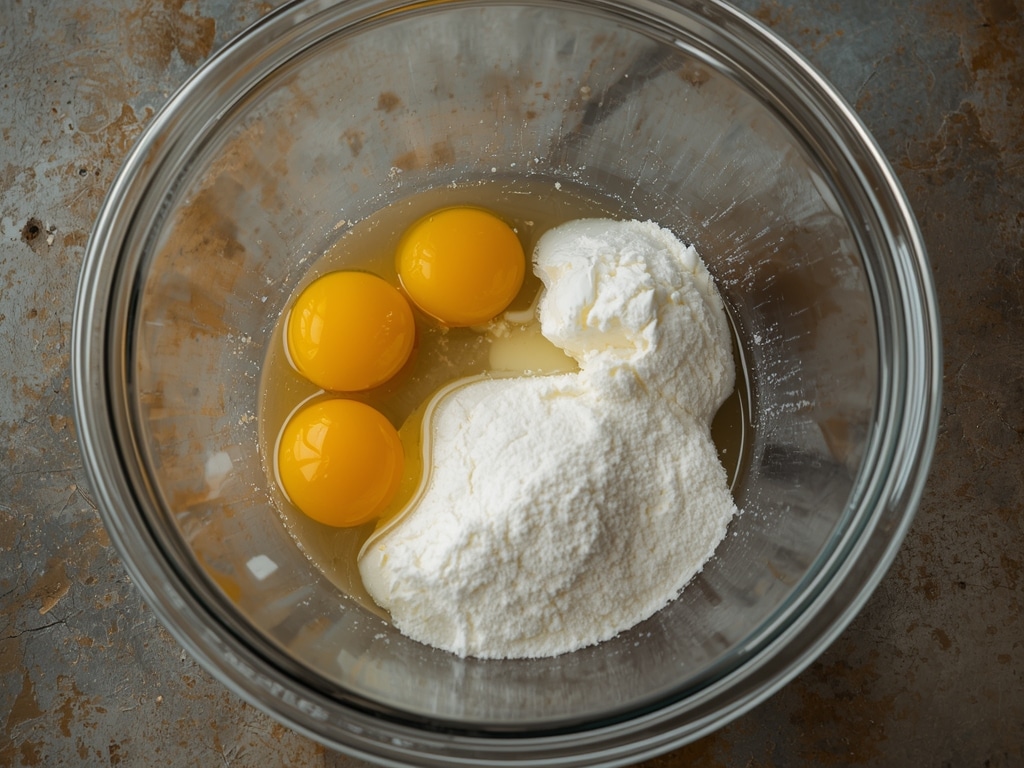
- 3. Cream Cheese Mixture: In a large bowl, beat the softened cream cheese with melted butter until smooth. If you want some festive fun, check out these Gingerbread Cheesecake Cookies for some added inspiration.
- 4. Add the Wet Ingredients: Gradually whisk in the milk, egg yolks, lemon juice, and vanilla extract until well combined.
- 5. Sift in Dry Ingredients: Sift together the flour and cornstarch. Gently fold them into the cream cheese mixture until just combined. Be careful not to overmix.
- 6. Make the Meringue: In a clean, dry bowl, beat the egg whites with an electric mixer until soft peaks form. Gradually add the granulated sugar, beating until stiff, glossy peaks form. This meringue provides the cake its lift.
- 7. Combine Mixtures: Gently fold 1/3 of the meringue into the cream cheese mixture to lighten it. Then, gently fold in the remaining meringue until just combined. Be careful not to deflate the meringue.
- 8. Bake in a Water Bath: Pour the batter into the prepared cake pan. Place the cake pan in a larger baking pan. Fill the outer pan with hot water to about 1 inch from the bottom of the cake pan, this creates a moist baking environment.
- 9. Bake: Bake for 50-60 minutes, or until the top is golden brown and the cake is set around the edges but still slightly jiggly in the center.
- 10. Cooling: Turn off the oven and let the cake sit in the oven with the door slightly ajar for about 30 minutes. This prevents the cake from collapsing. Then, transfer the cake to a wire rack to cool completely before serving. You’ll love these Gingerbread Cheesecake Cookies In Bloom Bakery 2
- 11. Chill (Optional): For a firmer texture, you can chill the cake in the refrigerator for a few hours before serving.
- 12. Serve: Sprinkle with powdered sugar (optional) and serve.
How to Serve This japanese cheesecake Recipe
This japanese cheesecake is great on its own, but you can elevate it with a few simple additions!
- Fruit: Fresh berries like strawberries, raspberries, or blueberries pair beautifully with the light cheesecake.
- Sauce: A light dusting of powdered sugar or a drizzle of honey complements the subtle sweetness.
- Drinks: Enjoy a slice with a cup of green tea or a glass of sparkling wine.
- Plating: Serve on a pretty cake stand or plate for an elegant presentation.
How to Store This japanese cheesecake Recipe
- Refrigeration: Store leftover japanese cheesecake in an airtight container in the refrigerator for up to 3 days.
- Freezing: Let the cake cool completely then wrap tightly in plastic wrap, followed by foil. Freeze for up to 2 months. Thaw in the refrigerator overnight before serving.
- Reheating: While best served cold or at room temperature, you can gently warm a slice in the microwave for a few seconds if desired. The Strawberry Cheesecake Cookies Recipe With Homemade Jam 2 are great for inspiration.
Tips to Make This japanese cheesecake Recipe
- Use Room Temperature Ingredients: Make sure the cream cheese and eggs are at room temperature for a smoother batter.
- Don’t Overmix: Overmixing the batter can result in a tough cake. Gently fold the ingredients until just combined.
- Meringue Matters: The meringue is essential for the airy texture. Ensure the egg whites are beaten to stiff peaks for the best results.
- Water Bath is Key: The water bath creates a moist environment that prevents the cheesecake from cracking.
- Patience is a Virtue: Let the cake cool gradually in the oven to prevent it from deflating.
Helpful Notes for This japanese cheesecake Recipe
- Cream Cheese: Full fat cream cheese is recommended for the best texture and flavor.
- Egg Whites: Be extra careful to not get any egg yolk in the egg whites. Even a tiny bit can prevent them from whipping up properly.
- Sifting: Sifting the flour and cornstarch ensures there are no lumps and helps create a lighter cake.
- Pan Size: A 6-inch round cake pan works best for this recipe, but you can use an 8-inch pan if that’s what you have. Just note that the cake will be thinner.
Variation of This japanese cheesecake Recipe
- Matcha Cheesecake: Add 1-2 teaspoons of matcha powder to the batter for a subtle green tea flavor.
- Chocolate Cheesecake: Add 2 tablespoons of unsweetened cocoa powder to the batter for a chocolate twist.
- Lemon Zest: Add the zest of one lemon for extra citrusy flavor.
- Strawberry Swirl: Swirl in some homemade strawberry jam before baking.
What makes Japanese cheesecake different?
Japanese cheesecake is lighter and fluffier than traditional cheesecakes due to the use of whipped egg whites and less cheese. It’s often described as having a souffle-like texture.
How do I prevent my Japanese cheesecake from cracking?
Baking the cheesecake in a water bath is key to preventing cracks. The gentle heat helps to cook the cheesecake evenly and reduces the likelihood of rapid temperature changes that can cause cracking.
Can I use a different type of cheese for Japanese cheesecake?
Cream cheese is the traditional and recommended cheese for Japanese cheesecake. Other cheeses might alter the flavor and texture significantly. For best results, stick with cream cheese.
Conclusion
Ready to bake your own cloud of happiness? This japanese cheesecake recipe is approachable, adaptable, and absolutely delicious. Get inspired and try this unbelievably delicious dessert. Don’t hesitate to add your own creative flairs and maybe you can even try adding some spice to it! We encourage you to give this amazing recipe a go, and remember to leave a comment with your own tips and kitchen wins. We’d also love to hear about any personal touches you incorporate!